Thoughts on marketing, design, brand strategy, and the stories behind the work we love.
 Brand Strategy
July 16, 2026
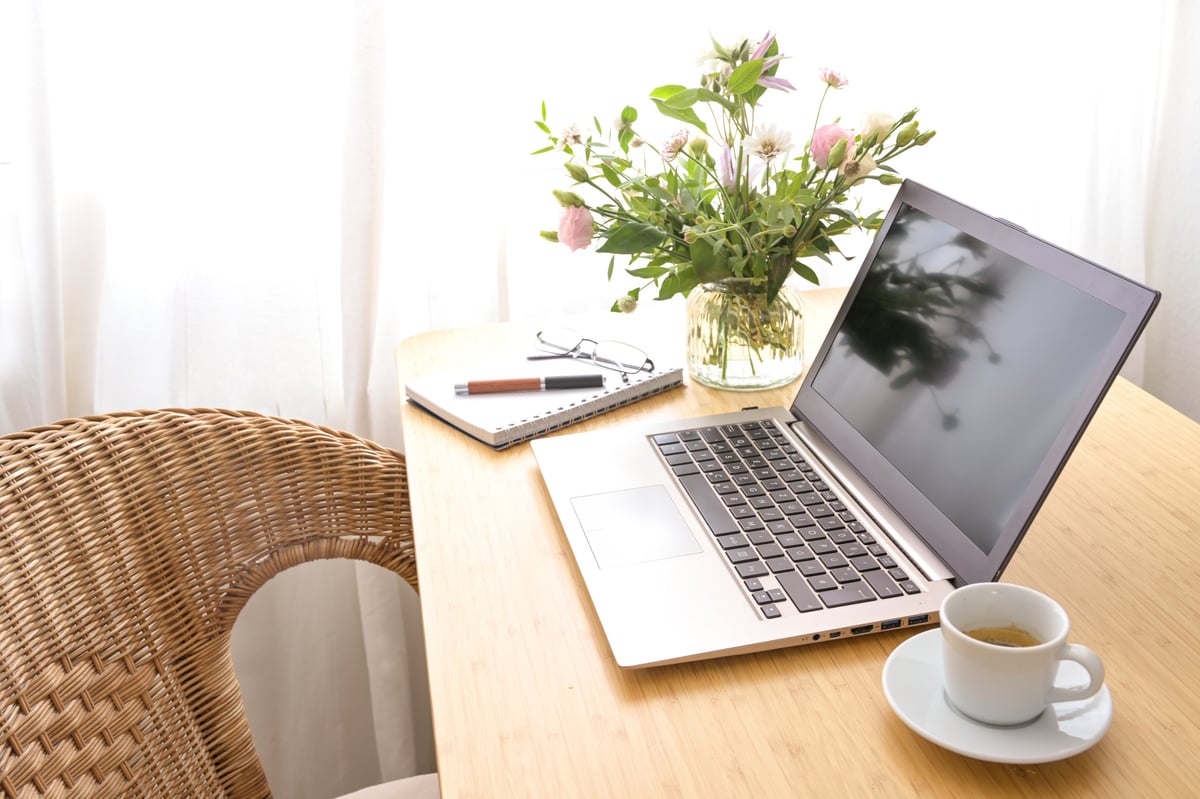
If your website isn't helping your business grow, it's worth asking why. It's not about having the flashiest design — it's about creating something that serves a purpose.
 AI & Design
July 26, 2026
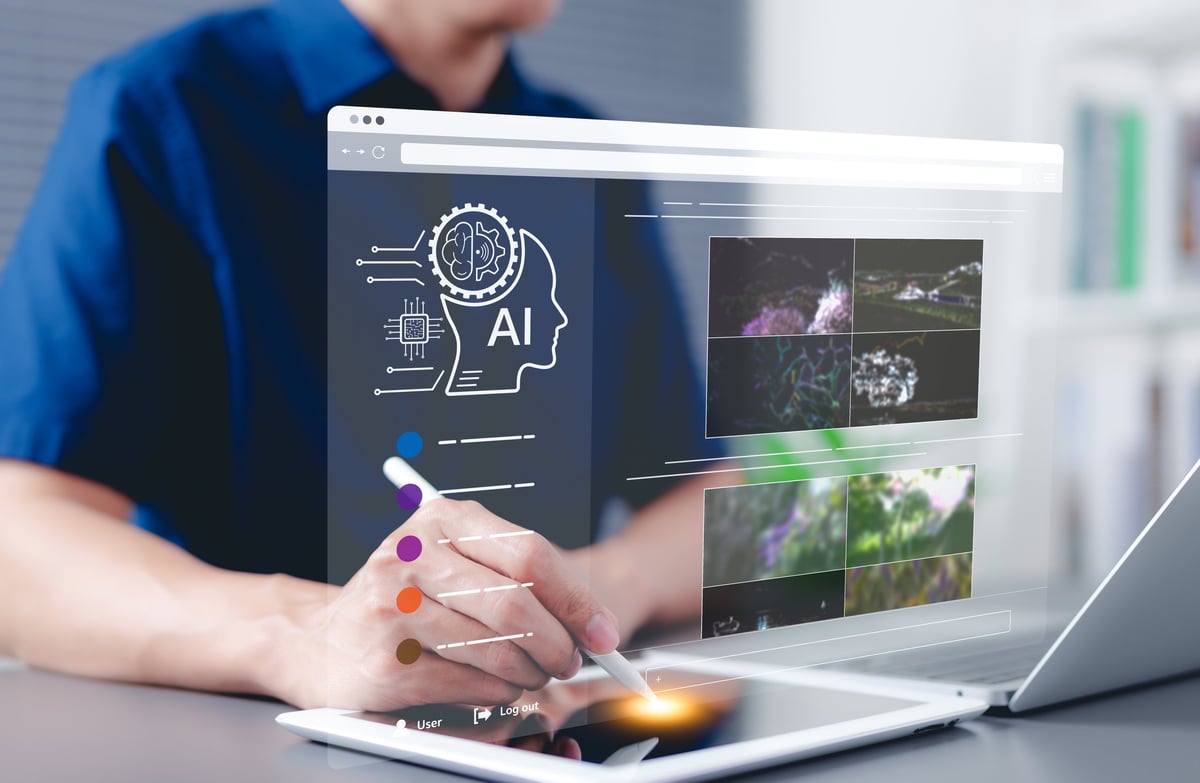
AI has changed the way businesses create marketing material — but it's not a replacement for strategy, branding, and human creativity.
Coming Soon
More content is on the way. Stay tuned for upcoming articles.
Let's be honest.
Plenty businesses have a website because they feel like they have to.
Someone tells them, "You need a website," so they build one, upload a few photos, add their phone number and call it a day.
Then... nothing.
No enquiries. No new customers. No return on the money they spent.
So they assume websites just don't work.
The truth is, the website probably isn't the problem. It just doesn't have a job.
Before you even think about colours, fonts or fancy animations, ask yourself one question:
What do I want someone to do when they land on my website?
Maybe it's:
If you can't answer that question in a sentence, there's a good chance your visitors can't either.
A good website doesn't leave people wondering what to do next. It guides them there.
We've all visited websites that look nice. Big photos. Modern layout. Nice colours.
But after a minute you're thinking... "Okay... now what?"
A website shouldn't just impress people. It should help them.
Can they find what they're looking for quickly? Does it load fast? Does it work properly on their phone? Can they contact you without hunting for your number?
Every extra click is another chance for someone to leave.
One of the biggest advantages of having a website is that it never clocks out.
While you're in a meeting... driving to a shoot... spending time with your family... or catching some sleep...
Your website should still be:
That's what makes it such a valuable investment.
They buy because they believe you.
Think about how you shop these days. You Google. You check Instagram. You read reviews. You visit the company's website.
Your customers do exactly the same thing.
That's why useful content matters. Blogs. Project galleries. Case studies. FAQs. Behind-the-scenes content.
It all helps answer questions before someone even reaches out. By the time they contact you, you've already built trust.
A logo is important. But that's only one piece of the puzzle.
Your branding is how your business feels. It's your photography. Your videos. Your website. Your social media. Your printed material. Even the way you write.
When all of those things feel consistent, people remember you. And when people remember you, they're much more likely to recommend you.
Your website shouldn't just be sitting there looking pretty. It can actually save you time.
Imagine if it could:
Less back and forth. Less manual work. More time to focus on running your business.
If your website isn't helping your business grow, it's worth asking why.
It's not about having the flashiest design or the latest trends. It's about creating something that serves a purpose. Something that's easy to use. Something that builds trust. Something that quietly works in the background while you're busy running your business.
That's what a good website should do.
At Selah, that's exactly how we approach every project we take on. We don't just build websites that look good. We build websites with a purpose.
Let's build something that works as hard as you do.
Start a Project
There's no denying it.
AI has changed the way businesses create marketing material.
Today, you can type a simple prompt into an AI tool and have a flyer ready before you've even finished your coffee. It's quick, affordable and, in some cases, surprisingly good.
So does that mean professional graphic design is becoming a thing of the past?
Not quite.
Like most tools, AI has its strengths and its limitations. Knowing when to use it, and when not to, can make all the difference.
Need a quick concept for an event or promotion?
AI can generate ideas in seconds, making it a great starting point when you're short on time or don't know where to begin.
For startups and small businesses working with limited budgets, AI can be a cost-effective way to create simple marketing material.
If the alternative is posting nothing at all, an AI-generated flyer may be better than no flyer.
Even experienced designers hit a wall sometimes.
AI can suggest layouts, headlines, colour palettes or imagery that spark new ideas.
Think of it as another tool in the toolbox, not the toolbox itself.
Have you ever scrolled through social media and thought, "I've seen this somewhere before."
There's a good chance it was AI.
Many AI-generated flyers follow similar layouts, colours and design styles. They look polished, but they don't always feel unique.
Your business deserves something people remember.
A flyer isn't just about making something look nice.
It should reflect your brand.
Your colours.
Your fonts.
Your tone of voice.
Your personality.
AI doesn't know your business the way you do.
Without proper guidance, it often creates something that could belong to almost anyone.
If you've experimented with AI before, you've probably noticed it.
Text that's slightly off.
Strange spacing.
Logos that don't quite look right.
People with six fingers.
Odd shadows.
These little details can make a business appear less professional, even if most people can't immediately explain why.
A good flyer isn't just attractive.
It's designed with a purpose.
Who are you trying to reach?
What's the most important message?
Where will the flyer be shared?
What action should someone take after seeing it?
AI can design a flyer.
It can't replace marketing strategy.
Absolutely.
AI is an incredible tool, and it's here to stay.
We use AI ourselves to brainstorm ideas, speed up certain tasks and explore creative directions.
But the final result still benefits from human experience.
Knowing what works.
Understanding your audience.
Maintaining consistency across your brand.
Making sure every design has a purpose.
AI isn't replacing designers.
It's changing the way designers work.
The businesses that get the best results won't be the ones choosing between AI and people.
They'll be the ones using both.
At Selah, we see AI as exactly what it should be: a tool that helps us work smarter, while keeping creativity, strategy and your brand at the centre of every design.
Because at the end of the day, a flyer shouldn't just look good.
It should get people to do something.
Let's combine AI efficiency with human creativity for your next project.
Start a ProjectSubscribe to our newsletter and never miss an article. No spam, just great content.